
How I remain optimistic, wood-burning stoves and tea plants on the allotment
A weekly digest of stories and signals about future Barnes. Story 167

Welcome to Bridged2050: creating an even better Barnes during this climate crisis
The week was dominated by Saturday’s demonstrations at Hammersmith Bridge. (They did not amount to a civil war.) It is worth remembering what prompted the banners and megaphones: Hammersmith Bridge was closed because climate change overwhelmed the engineering integrity. And one of the major causes of climate change? Greenhouse gases produced by cars.
Climate change frames this blog. And recent news does not offer comfort. 2025 was the third warmest year on record. More unsettling still: scientists now argue that the world is on course to breach the 1.5°C threshold more than a decade earlier than previously expected, some time around 2030.
The visit to Australia made me ever more mindful of the scorching weather. So many lessons. It also gave me time to consider my outlook on life. The mounting realism of climate change runs up again my natural optimsim. I liked this description by Jim Naughton recently who suggested we combine
‘realism of the intellect and optimism of the will’.
That feels about right for Barnes in 2026: clear-eyed, but not stalled, inert.
Cough
At the start of the week Richmond council offered a useful update on their plans for managing the threat posed by wood-burning stoves. They are suprisingly efficient polluters.
Two nights, later walking towards a punchant row of Barnes homes I of the UK Government’s plans to tighten the rules around their sale.
This was part of a welcome package of support to encourage house owners adopt solar and green technology to cut energy bills.
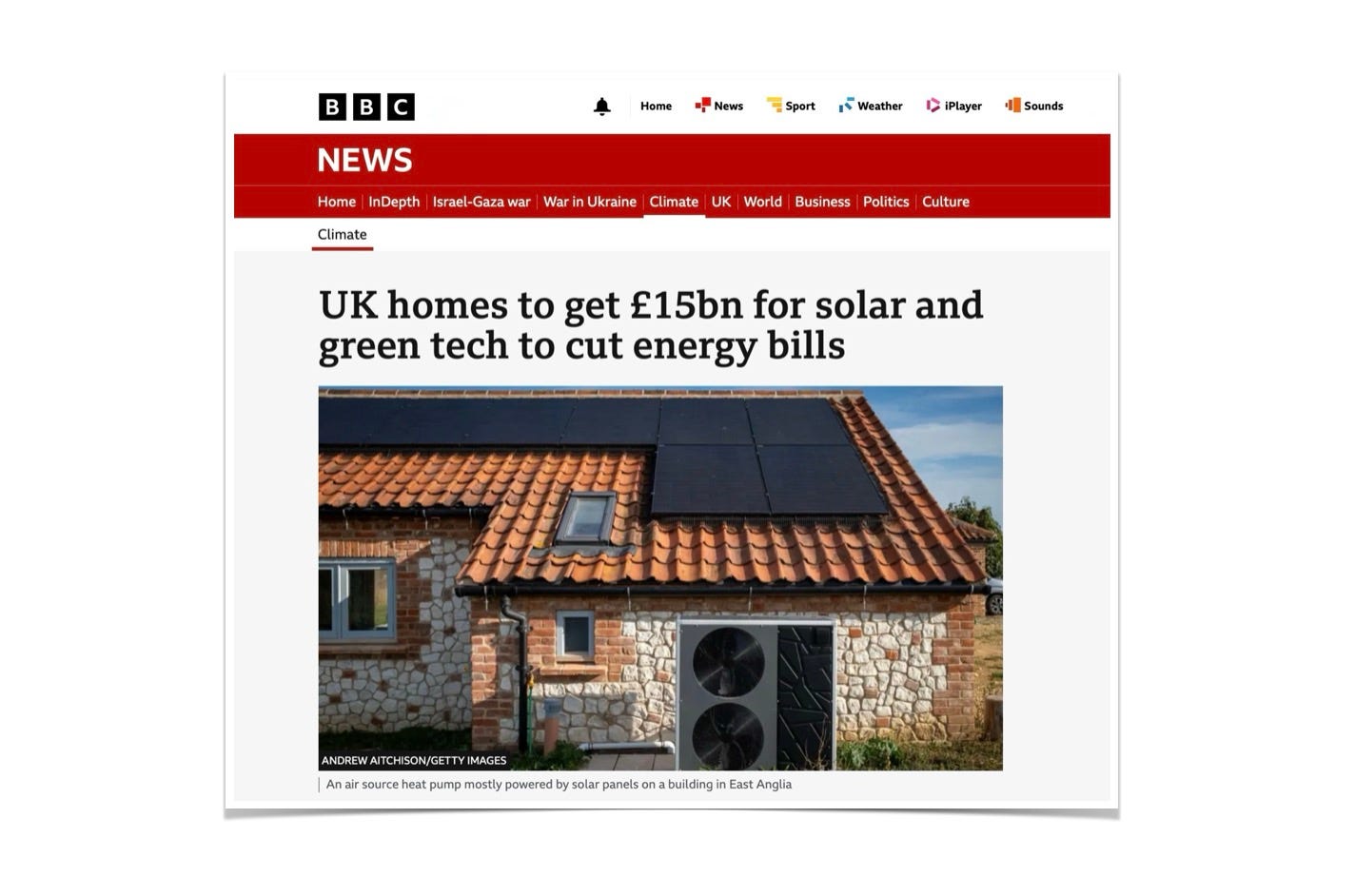
Bridged plans to feature housing more often in 2026. Some familiar themes cropped up again in two separate reports:
This is a prosperous corner of London. Mortlake and South Barnes disposable household income is £60,000; making it 87 out of 1,002 areas in London. North Barnes is 70 on the list with £61,357.

Rents were rising faster in Barnes than the whole of London. Stanley Tucci’s fault apparently
Such a difficult topic. Asking drivers to give up their cars is hard but nothing compared to compromising on their homes. But the implications of the long term trends are grim. On current trajectories, Barnes peninsula by 2050 could become the largest and oldest gated community in London. Locked in place not by a river but the cost of housing.
Green environment
Sad to see the RNLI leaving Chiswick Pier but it makes operational sense. 2026 will bring other changes at Pier House too.
Better news about the River Thames with the most recent health check saying the river is thriving. State of the Thames updates the 2021 assesment and reveals mprovements in water quality, falling levels of toxic metals and the return of wildlife.
And a reminder that Richmond council are giving away 1,000 free tree saplings to boost local planting. The scheme offers a mix of species and simple collection points at Kneller Gardens in February and Old Deer Park in March. Trees are allocated on a first‑come basis, with registration now open.
Commentator’s curse
This next report did not chime with Bridged’s experience on wheels, until it suddenly did. Richmond is among the worst‑rated boroughs in England for pothole management, according to new Department for Transport datareported by MyLondon. Update: riding down Lonsdale Road my bike dropped into a pothole. Tyre and inner tube wrecked. To be fair, the first such incident since early 2024 but still. The impression remains, many of the worse potholes in Barnes have been fixed.
Another Bridged villian - SUVs - featured in this BBC podcast. This is a thorough explanation of why cars are getting bigger and what that might mean.
Two other pan London transport disputes rumble on.
First, shared e-bikes. Their role in our street environment is still being negotiated—sometimes politely, often not. Over time they will probably win more road space and better parking provision. For now, demand (especially among under-35s) is surging thanks to Lime, Forest and others, but anti-social parking provokes a backlash from others.
he messy bit is governance: oversight is not moving as quickly as consumer behaviour. Boroughs negotiate directly with providers—thirty-two parallel systems, and plenty of opportunities for conflict. The results are visible weekly: here and here. National regulation expected within the next year should, in theory, make the whole thing less chaotic.
Second, the Freedom Pass. Some older Londoners fear they may lose it, and more than 50,000 have signed a petition opposing potential changes.
Something for the winter seed order?
After those splendid Aussie bins with plain-English labels and striking colours, it deflating to hear Richmond council’s overall recycling rate remains largely unchanged.
Still, one small burst of long-range imagination came from The Times, looking at what the 2,000-plus allotments in Richmond borough might be growing by 2050 as the climate shifts.
Fewer strawberries. More tea.
And rice, apparently: the first British crop was harvested in 2025.
💡New park on Castlenau - WIP

Welcome to Bridged2050: ideas for living well in a climate-ready Barnes.