
Richmond council want to make our homes more comfortable, healthier, greener, and cheaper to run
Story 183: Some of the future arrives through public policy. Some of it through the front door.

Welcome to Bridged2050: ideas for living well and responsibly in a climate-ready Barnes
Richmond Council wants to make it easier for residents to improve their homes.
That matters for all sorts of reasons: comfort, health, energy bills and carbon emissions. It matters, too, because the borough cannot reach Net Zero by 2043 without tackling the way we heat and power the places we live.
The council’s analysis says:
In 2024, domestic buildings were responsible for 45.5% of the borough’s carbon emissions making housing the single largest source of greenhouse gases locally.
The council appears to be responding in two ways. It is trying to prepare itself for future rounds of UK government funding, while also making it simpler for residents to understand what retrofit means in practice and where to begin.
A key part of that second effort is the Smarter Homes initiative, launched on Tuesday 10 March in Richmond. It is designed to be
.. your trusted resource for making retrofit improvements to your home that can add value, enhance comfort and reduce energy costs.
There is now both an online hub anda booklet.
This Hub guides you through the steps to creating a smarter, healthier home. You will find information about the latest technologies and best practice guidance - tailored for residents living in Richmond upon Thames.
Practical help, not vague encouragement
The most striking thing about the handbook is that it is practical.
It walks through insulation, heating and cooling systems, solar power and the fabric of the building itself. It tries to turn a hazy ambition — I should probably do something about my home — into a sequence of choices.
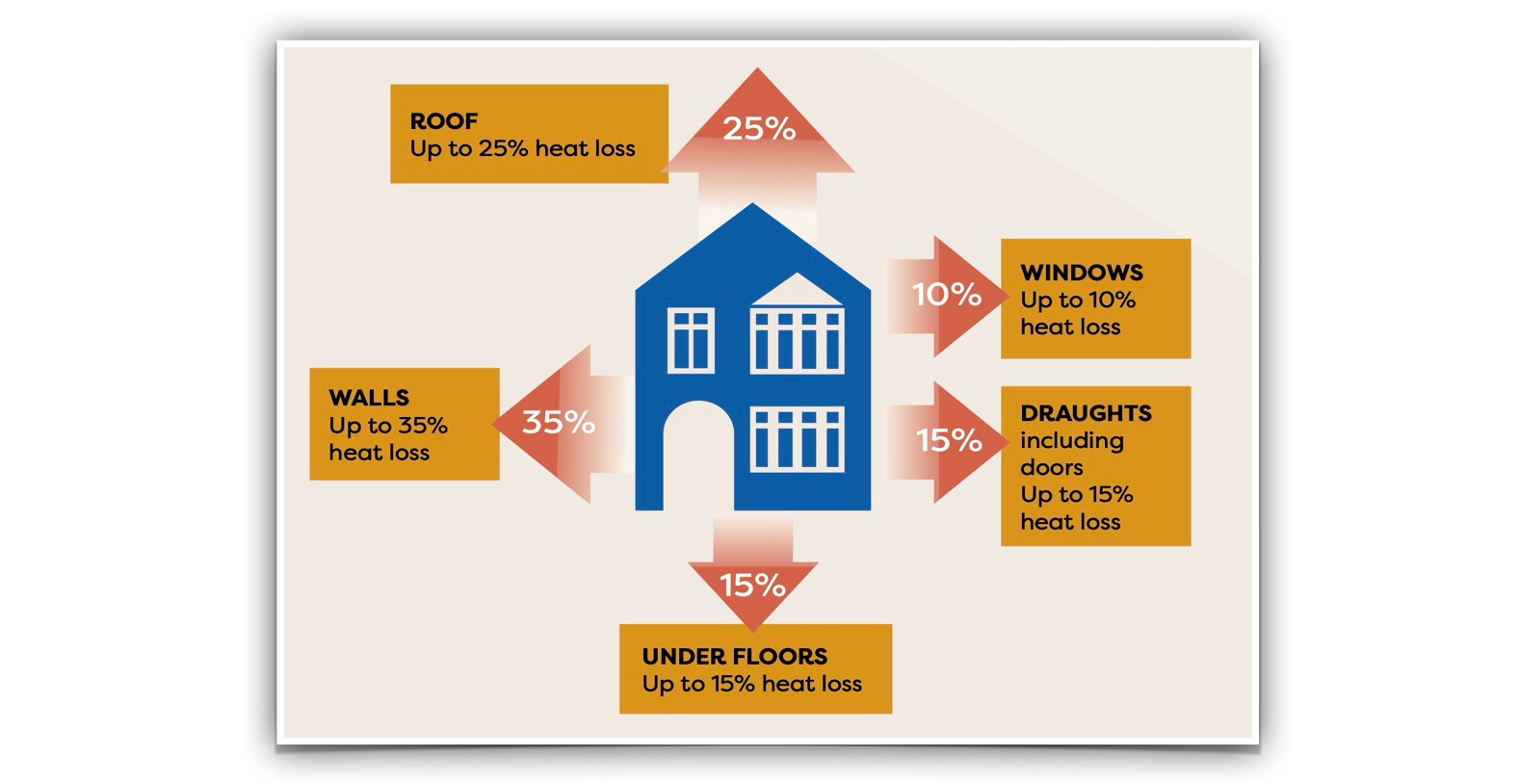
One example of that care is the online tool showing how retrofit options vary across different types of homes. That may sound like a small point, but it matters. A Victorian terrace is not a 1930s semi. A flat is not a detached house. The path will differ because the building differs.
Two things stood out to me.
The first was that, as good as the experts were at the launch, the case studies were better. People explained what they had changed, why they had done it and what difference it made. That gives the whole exercise a degree of realism that official guidance often lacks. You can read the case studies here. One family home, for example, was updated like this,

(I did have one gripe with the seventh Richmond council Sustainability Forum. The resident stories were compelling. Why hide them behind a Microsoft365 login? I am not the only Richmond resident without one.)
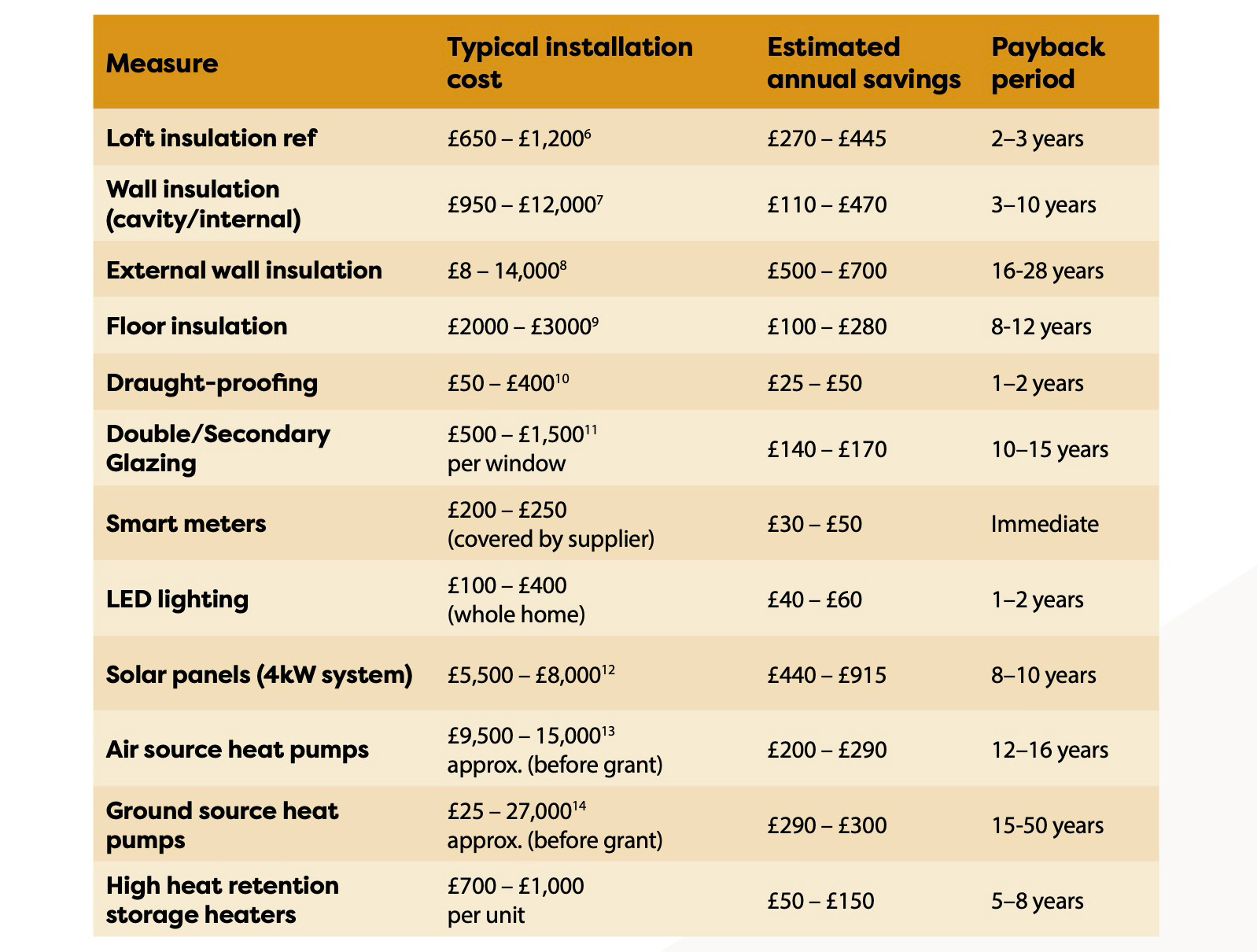
The second thing that stood out was the table on costs. Retrofitting can sound sensible in theory and forbidding in practice. The numbers help close that gap. Some are still substantial, of course. When I upgraded the halogen lights to LEDs in my home, the bill was not trivial. But the handbook is also clear that there is financial support available, along with free expert advice. That makes this feel less like a worthy aspiration and more like something a household could actually begin.
Notes & thoughts
Retrofitting still feels like an early-adoptor choice in 2026.
That may sound odd, given that one panel member said he carried out his first retrofit in 2003. But while the conversation has been around for years, the practice still feels limited to a minority of households. For most people, it remains something they vaguely intend to do one day, rather than something already under way.
Across Richmond borough, more than 80% of homes are heated with gas boilers. Mine is one of them. What this handbook made clearer to me is that there is quite at lot I could do before reaching that dramatic moment of swapping out the boiler.
The Smarter Homes approach is ‘fabric first’: focus on the physical structure of the building before adding new technology. That includes:
insulation, to help the building retain warmth
airtightness, using draught-proofing and testing to stop cold air getting in through gaps and cracks
ventilation, to make sure airflow remains good enough to prevent condensation, damp and mould once a home becomes more airtight
There is even a thermal imaging camera available to borrow from the Twickenham Library of Things. For anyone trying to work out where heat is escaping, that feels exactly the right kind of practical intervention: modest, local and useful.
Only after that does it make sense for me to think about rooftop solar, battery storage and the wider electrification of the home.
Even if I kept gas central heating for the time being, there are still ways to reduce my home’s overall reliance on gas, including replacing a gas cooker with an induction hob.
That, in the end, was my main takeaway from the evening. Not that every household should rush tomorrow to install every new technology on the market. And not that retrofit is simple. It plainly is not.
It is that the route is becoming easier to see.
That matters in a place like Barnes. Bridged2050 often talks, rightly, about streets, bridges, buses, trees and public space. But a climate-ready neighbourhood will also be shaped by quieter, less visible decisions made behind front doors: better insulation, less wasted heat, cleaner cooking, lower bills, healthier air.
The future of a place is not built only in public. Some of it is built in private, one draughty room at a time.
One of the themes of the night was myth-busting. One guest described a deeply worried mother who reacted to news that her daughter was installing a heat pump by sending clippings from the Daily Telegraph warning of the supposed horrors to come. None of them happened. The point was not that every technology is simple or perfect. Rather the technology was immature, someone - often many - are threatened by change, and there’s a a touch of culture-war nonsense.
That is why Richmond council’s new Smarter Homes hub matters. It does not eliminate the hard choices. But it does make them clearer.
For Barnes, that is no small thing. A climate-ready future will not be built only through better bridges, streets and transport. It will also be built through better homes. Less draughty, less wasteful, healthier to live in and cheaper to run.
Some of the future arrives through public policy. Some of it arrives through the front door.
